


Welcome to the new 280 curious minds who’ve joined us since the last edition. If this was a forward, you’re welcome to join 17,973 VCs, founders, and product operators by subscribing to The India Notes. 👇
This week’s piece comes from Sunaina Patnaik
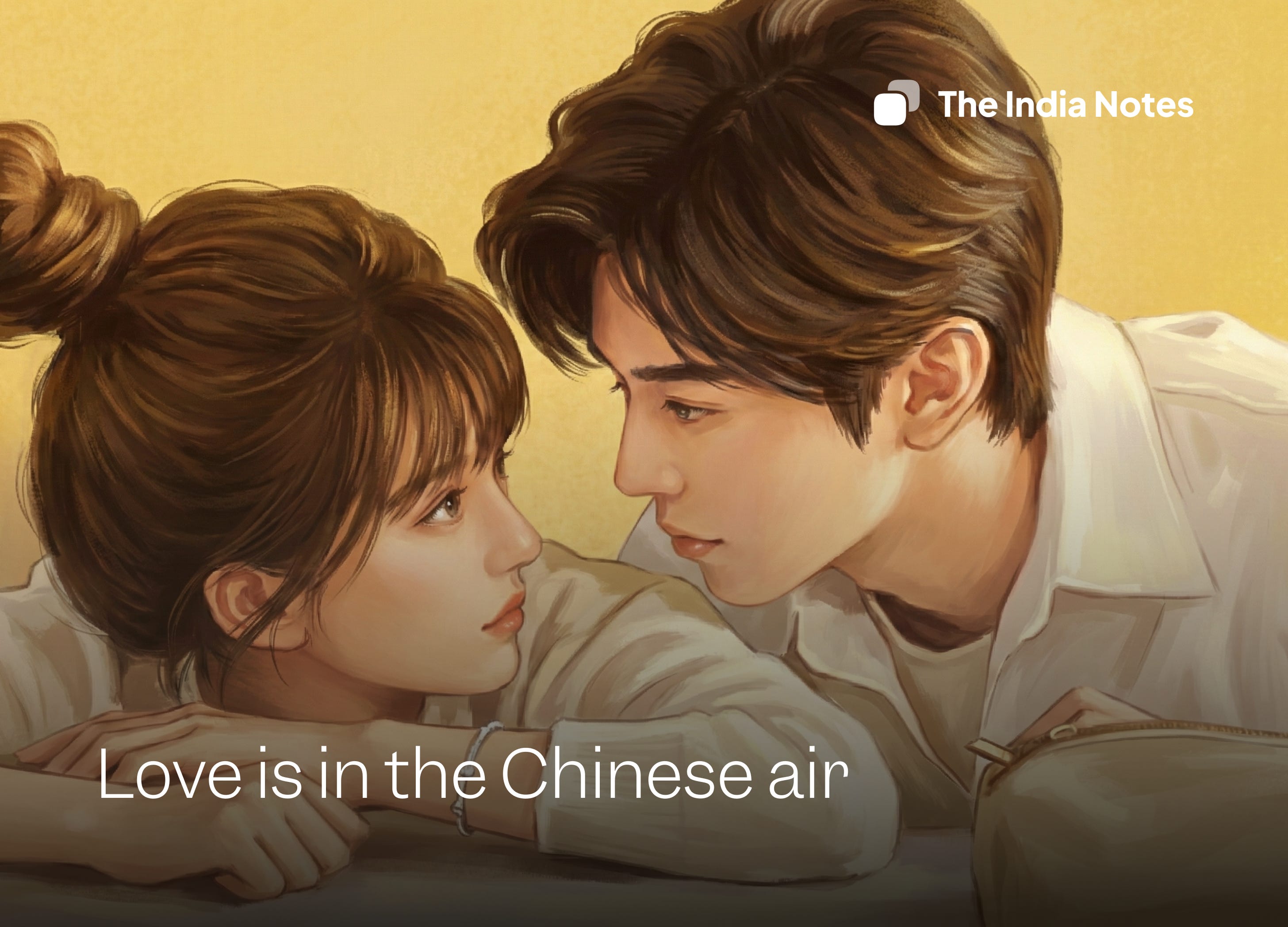
“This is what love is meant to look, sound, and feel like!” — that’s what Shivani, a 20-year-old medical school student, thought when she watched Love O2O, a C-Drama (short-form for Chinese drama series). In this drama, two computer science students fall in love through an online role-playing game and eventually start dating outside the gaming world.
Like most C-dramas, Love O2O also heavily relies on visual gold (high production value and good-looking leads), prioritising escapism and the idol economy. This is referred to as yánzhí (pronounced as "yahn-juh” is attractiveness level in Chinese internet slang), which is used as a primary marketing engine to hook the target audience and trigger social media conversations. Case in point? Me.
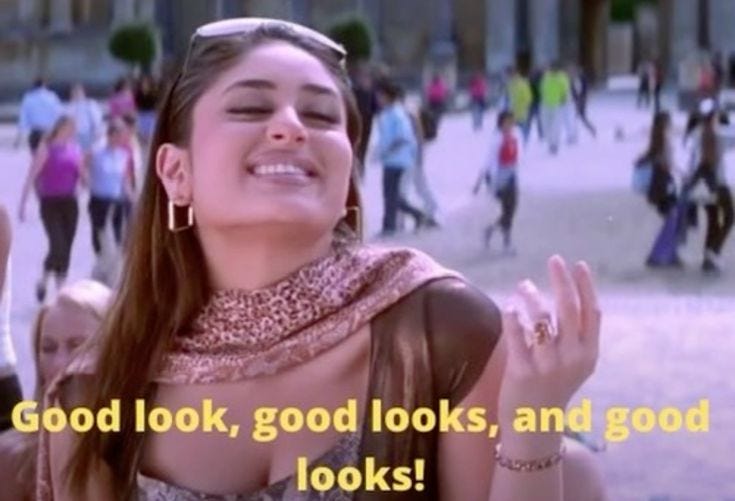
Yánzhí is considered an insurance for investors — even beyond dramas. The actors who are chosen for this criteria are also called traffic stars as they guarantee high viewership and luxury brand deals, despite critics finding the acting flat. A classic example is Yang Yang, the protagonist of popular C-dramas such as Love O2O and You Are My Glory. When Guerlain Paris launched a lipstick named after him, they sold out instantly. Fans had to order this lipstick from abroad. This shifted things up in the beauty industry too.
This led about 40 international beauty brands to shift from female brand ambassadors to male traffic stars to capitalise on their popularity.
But coming back to Shivani..
Three rewatches, and growing up made her (now 28) realise that Love O2O is a far cry from reality. She says, “The female protagonist is merely a passive observer in her own story. It’s always the man who solves her problems, makes decisions, and orchestrates everything while she just.. goes along with it. She may appear like a role model on paper, but she has zero personality around her partner.”
This is the story of many C-dramas that haven’t quite caught up with the times. They keep recycling over-the-top, fairy-tale-like plots that look pretty on screen but are stuck in a time warp.
And among all tropes, the CEO romance is arguably the most popular one. It offers a world where you don’t need a PhD or a great work portfolio to succeed — you just need to be discovered by a powerful man. It satisfies the universal Cinderella fantasy and taps into a deep psychological desire for instant wish fulfilment. After enduring many struggles, the female protagonist finally finds her safe spot. Suddenly, all the bills are paid, the bullies are silenced, and she’s shielded from the harsh realities of the world.
The CEO trap/trope explained
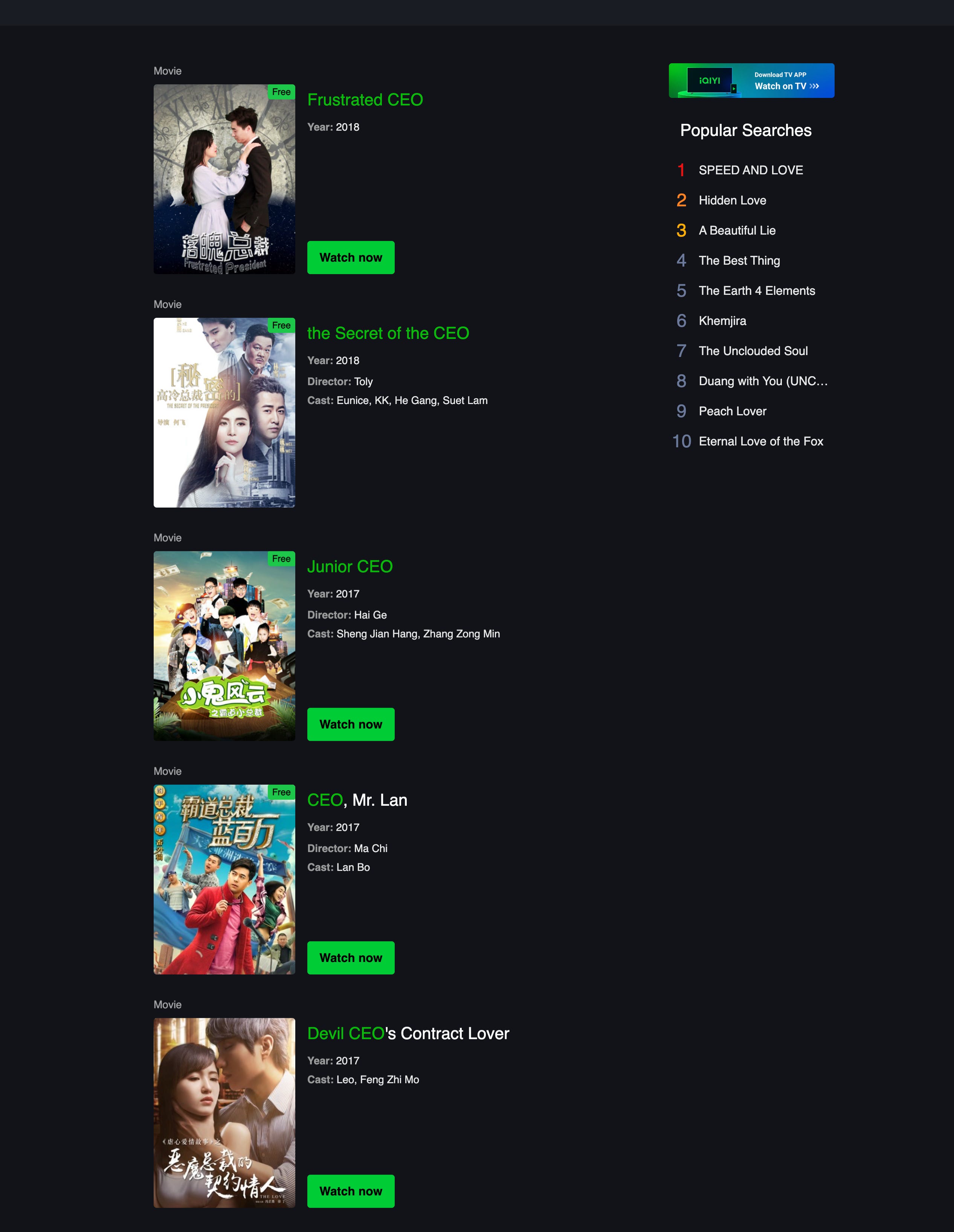
It’s the ultimate C-drama staple: it features a male lead who is impossibly wealthy, emotionally cold, and a genius at business, but socially awkward or scarred by a past trauma. And then, there’s a hardworking female lead (sometimes an intern or assistant) who melts his icy heart. Just search for “CEO” on streaming platform iQIYI, look at the titles and plots, and you’ll get the drift.
However, this isn’t just about the Chinese audience.
A cold, untameable man dropping his guard to make a woman feel like the most extraordinary person in the room or “he hates everyone, but her” energy is a popular trope that works across nations, cultures, and temperaments. Think Ghajini (where a CEO pretends to be an ordinary guy to win over a girl) or Pretty Woman (where a wealthy entrepreneur changes his course of life after falling in love with a prostitute) — it’s the same tried-and-tested template.
Soon, this trope made its way into microdramas, a vertical-format series designed for phones, with episodes lasting 1-2 minutes. While traditional dramas need subplots, family drama, and secondary characters to fill each episode, microdramas strip away all of that and ask: What if we just give them the core fantasy on repeat?
Studios discovered that CEO romance microdramas had insane retention metrics. Research shows that over 50 per cent of users are paying to unlock microdrama episodes. Viewers watch these videos beyond 3-4 seconds, and sometimes binge-watch 60-100 episodes in a go. They could produce 10 microdramas for the cost of one traditional drama episode. If one flopped, who cares? They’d already launched three more.
Big tech giants stepped in
ByteDance and Tencent saw an opportunity and engineered the CEO trope to solve a business problem in the attention economy. Instead of creating high-production C-dramas, they went for microdramas to grab our attention in the first 5 seconds of a scroll. And that’s how Hongguo, a platform owned by ByteDance, created an empire. It has a whopping 200+ million users who’d rather snack on free, ad-fueled mini-stories than pay for traditional TV.
Tencent took this a step further. It turned Chinese web novels into microdramas, leaning into their existing fanbase. Reader engagement, like comments, favourites, and chapter subscriptions, acts as market research. By publishing these on WeChat Video, Tencent keeps everyone within WeChat’s ecosystem, ensuring users never leave their apps. Eventually, this turned into a calculated financial move for Chinese production houses, catering to the attention economy.

Audiences don’t mind spending $1 repeatedly on an episode with plot twists than commit to a monthly $15 subscription. No wonder China’s minidrama industry raked in nearly $7 billion (in 2024), beating the country’s overall box office revenue.
Luxury brands like Loewe and Louis Vuitton have also embraced this trend to attract Chinese consumers, primarily Gen Z. Instead of launching a marketing campaign, Loewe produced a microdrama series called Say Yes to Love. It created a romantic, character-driven narrative and integrated Loewe’s aesthetic and products.
This created a bigger market for shoppable content, turning microdramas into a cornerstone for digital marketing. Platforms like Douyin and Taobao now have floating shopping carts. You can buy the lipstick the actress is wearing while the episode is still playing. Imagine that!
But why exactly does the Chinese government have a problem?
While all may appear rosy, it just isn’t! The CEO trope and the typical content found in microdramas glorify women who want to marry into wealthy families. Young viewers who watch these fantasies of limitless wealth and CEO romance are building unrealistic expectations. When reality doesn’t deliver private jets and billionaire boyfriends, it sets a generation up for disappointment. It may feel as if simple lives and healthy relationships aren’t enough. Perhaps, because stability isn’t as appealing?
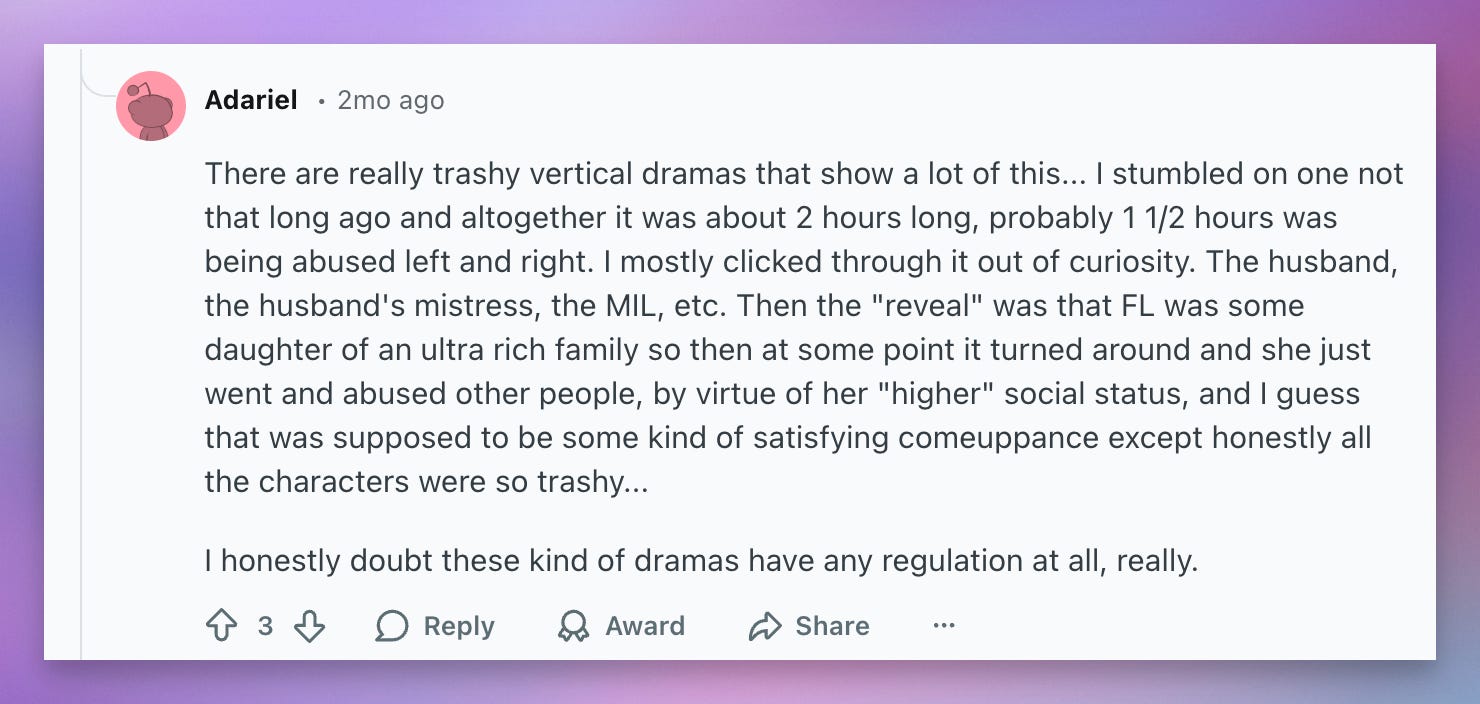
And so, the National Radio and Television Administration (NRTA) in China issued regulations against the CEO romance genre. The government has been pushing for more realistic dramas that showcase everyday heroes, traditional values, and socialist themes, rather than billionaire fantasies. Especially because this fits right in with their common prosperity policy. Soon, People's Daily joined hands with them, calling for a ban on plots that reduce women to scheming mistresses, naive vases, or victims waiting for a CEO.
All forms of content should be reviewed and approved by the government authorities. NRTA introduced a tiered review system that requires every microdrama to display a state-issued license number before it can be legally hosted or monetised. These regulations strictly discourage the glorification of extreme wealth and the adultification of child actors. NRTA has also flagged over 25,000 episodes for inappropriate content, which were duly removed from platforms.
In a bid to make a real change, China has introduced the Micro-Drama Plus initiative. This urges content creators to swap toxic billionaire tropes for stories that promote local tourism, traditional crafts, and social values. Think of wholesome content and product placements coming together (are they finally going the Fevicol way?).
So, is it a BIG NO to titles like After Flash Marriage, Billionaire CEO Spoils Me to the Sky or Oops! I Accidentally Married a CEO?
Will production houses truly stop making such content?
Let’s take a step back..
This isn’t the first time the Chinese government has enforced such regulations. In 2011, they issued guidelines against transmigration (time-travel) dramas for treating history too frivolously. In these shows, modern characters accidentally travel back to ancient Chinese dynasties and fall in love with emperors and princes.
For the audience, this was a fun escape. But the government saw something more troubling: people seeking refuge in fantasies and not dealing with present-day reality. Bigger problem? These shows often involved real Chinese dynasties, and the government found it disrespectful.
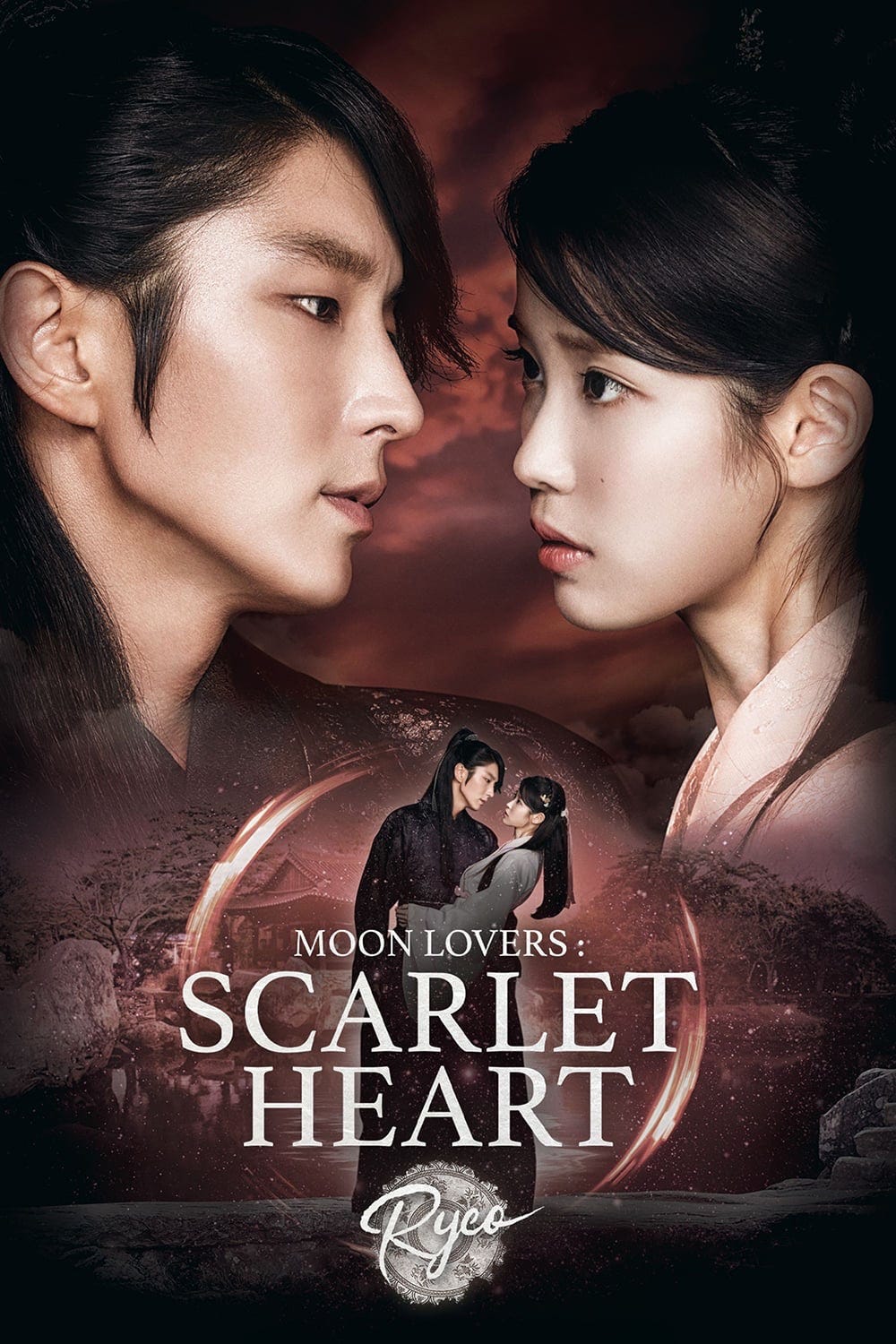
Scarlet Heart is one such show that’s rumoured to have prompted these regulations. The female lead goes back in time to the Qing Dynasty and gets entangled between the emperor’s sons’ struggle for love and succession. It’s one of the first C-dramas to gain a massive international traction, and was dubbed into various languages and remade into a K-drama.
When something gets that popular in China, the government pays attention. Especially if it doesn’t align with their approved messaging. And so, it became a last of its kind show before the genre faced restrictions.
But, there’s always a jugaad!
Producers found a workaround. They made transmigration possible through dreams, VR and video games rather than time travel. Fictional families replaced real dynasties. Rebirth became the new time travel. And real emperors weren’t romanticised or used as a playground for fantasy storytelling. If it’s not real history, no restrictions apply.
Or you can always count on K-dramas
Unlike China, South Korea has no government ban on time travel. This has allowed K-dramas to experiment more wildly. For instance, Bon Appétit, Your Majesty (a modern chef travels back to the Joseon era), and Perfect Crown (reimagines Korea as a modern monarchy) are transmigration dramas shot with creative liberties. They target a more global, socially conscious audience. So, you get all the usual suspects — good looks, romance, and fantasies — but with better sensibilities.
The key difference lies in how Korean entertainment companies position themselves in the global market. Major studios like Studio Dragon and CJ ENM view K-content as a premium cultural export — something aspirational, cinematic, and worth the wait. In their eyes, microdramas are emotional fast food: disposable, and potentially damaging to the prestige they’ve spent years building.
A single hit like Squid Game or Crash Landing On You can generate years of revenue through licensing, merchandise, and tourism. Microdramas, while profitable in the short term, rarely build a similar legacy.
Having said that, Korea’s version of snackable content is webtoons. Instead of making one-minute dramas, Korea uses its webtoons to test stories. When a story is a proven hit, they invest millions to turn it into a high-quality 16-episode series rather than a low-budget micro-short. In fact, some of the most-watched K-dramas like Itaewon Class, True Beauty, and What’s Wrong with Secretary Kim were adapted from webtoons.
Apart from webtoons, Korea has a small web drama sector. It’s seen as a stepping stone for rookie actors to enter the real industry, rather than the industry’s end goal.
Let’s look at the key differences between C and K-dramas:
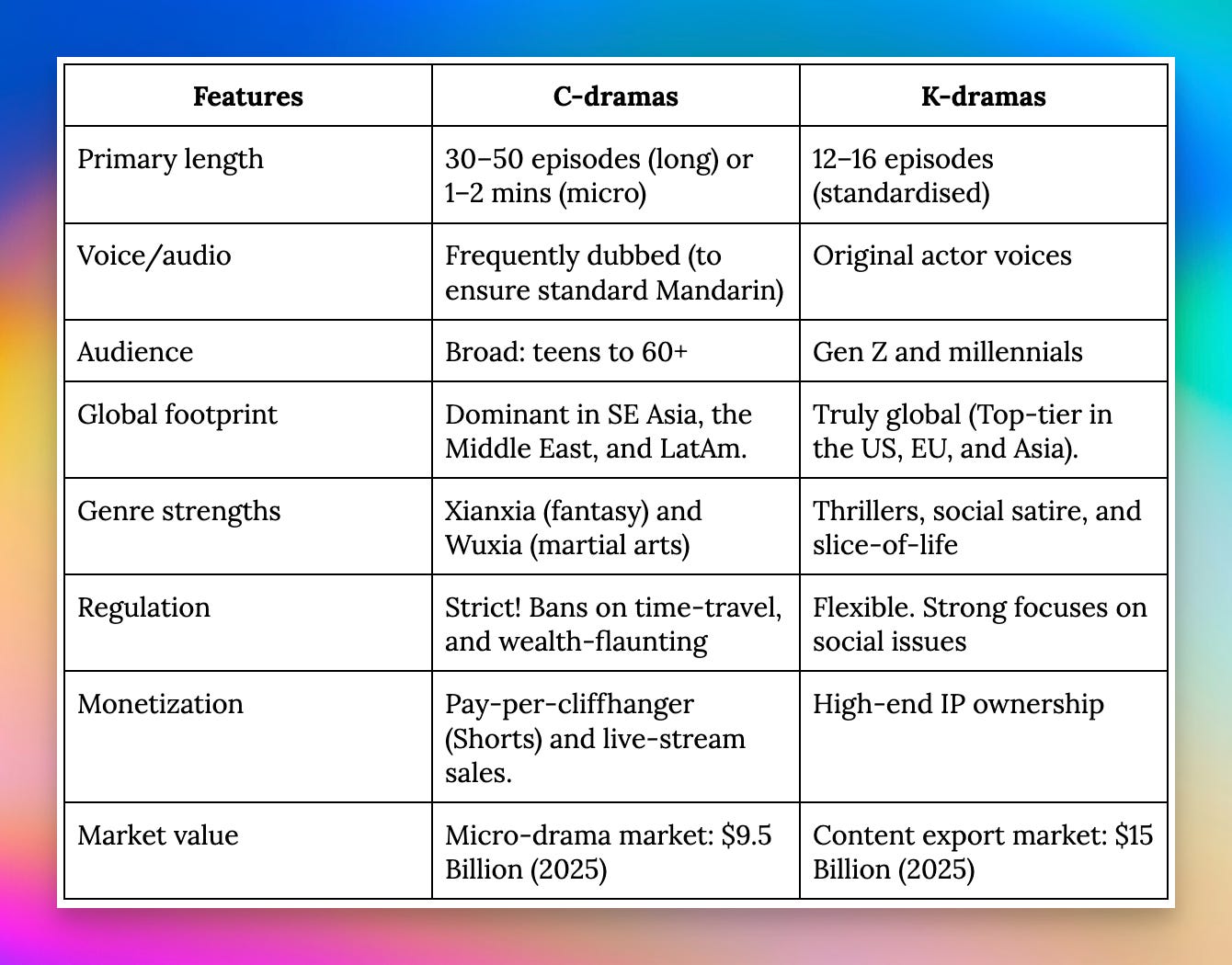
While C-dramas focus on the domestic market, K-dramas have wider appeal and more Netflix collaborations. In a way, K-dramas are designed to boost Korea’s soft power and luxury brand image worldwide. Despite producing fewer episodes, K-dramas generate more revenue, secure more product placements, and earn more accolades in international markets.
Interestingly enough, Netflix produced a reality docu-series called My Korean Boyfriend to bust this myth. The show follows five Brazilian women who travel to Seoul to spend 22 days with their Korean partners they met online. They arrive with expectations set by K-dramas: a green flag CEO or a perfect, protective partner. The show intentionally highlights the culture shock when these men turn out to be ordinary people with real flaws, communication barriers, and traditional family pressures.
It serves as a reality check for the very fantasies created by the CEO and the romance tropes we discussed.
But China has exported this trope to the West
India needs no introduction to such tropes and drama, thanks to Ekta Kapoor. But plot twist: they found a new home in Hollywood. ReelShort, a California-based app, is owned by Crazy Maple Studio, a Chinese company. It uses the exact same formula: a fast-paced, high-drama structure but with Western actors and local flavour. The male lead is sometimes a mafia boss or werewolf alpha. 🤨
The trick is simple: ReelShort posts the first few minutes of an episode for free and ends it with a cliffhanger. To watch the rest, you must download the app and pay up or watch ads. It has garnered a massive community of fans who create memes of the shows while binge-watching them. In 2025, ReelShort topped the App Store charts, sometimes outperforming Netflix in daily downloads.
There are actually people scrolling through these videos instead of taking their dogs for a walk.
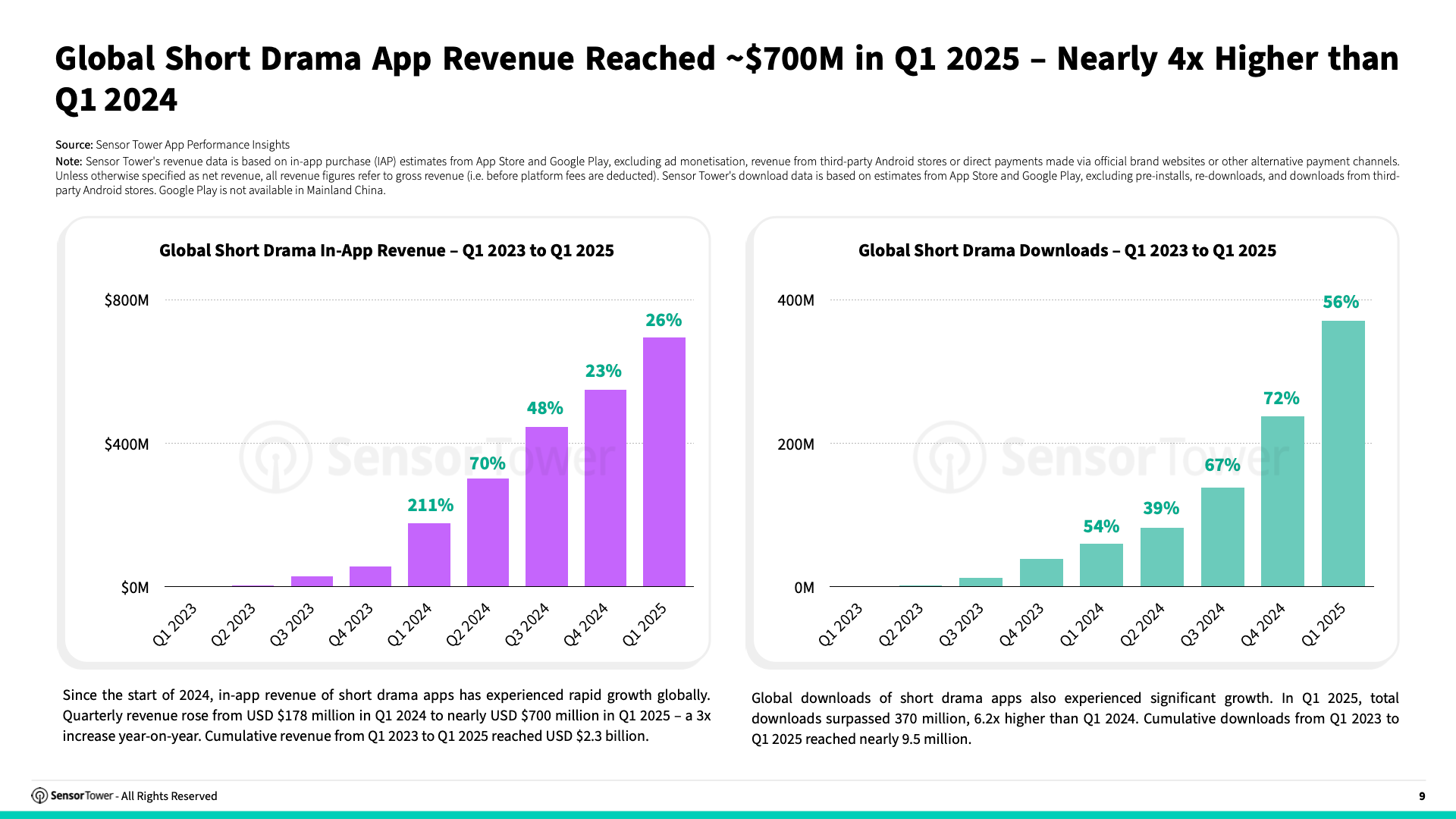
This success has triggered a gold rush, with creators and studios exploring more vertical-format content. HOLYWATER, a Ukrainian startup (which recently raised $22 million), produces similar content on its video streaming app, My Drama. They use AI to analyse exactly where a cliffhanger should be placed to see if the audience would pay to watch the next part. They’ve also implemented AI companions for users to chat with the CEO characters, and build a parasocial relationship. This brings users back to the platform, increasing their lifetime value (LTV).
Unlike other studios that buy scripts, HOLYWATER owns the entire lifecycle of a story. Here’s how:
The My Passion test: My Passion is their digital book app with thousands of books. If something (usually a toxic CEO or forbidden romance) performs well, they consider it a high-potential IP.
The My Muse pilot: Before filming, they use My Muse, their AI platform, to generate pilots. These are 1–2 minute synthetic videos used to test certain hooks (like a tight slap or a revelation) to see if users will pay to unlock more.
Full production: Only the stories that pass these data tests are turned into series for My Drama. Predictable!
HOLYWATER has managed to get investment and collaboration from FOX Entertainment. With biggies entering the microdrama market, we’re definitely heading towards more brainrot. More businesses will use AI to test, churn, localize, and dub content. Sadly, this may work as it’ll significantly bring down production costs.
Smaller production houses can (and will) get away with jugaad and work around the regulations. For instance, low-budget microdramas that cost less than $40,000 can be audited by provincial authorities or monitored by platform self-review. These are the most common and fastest to release. Plus, owing to our shrinking attention span, social media algorithms will feed us hundreds of such videos — faster than our panipuri bhayyas.
And that’s why we all (I MEAN ALL OF US) sometimes need to shut our screens, get out of our houses, touch some grass, look at the real people around us, and beat some sense into our minds. There’s no billionaire CEO swooping in to rescue us from demons and problems. In fact, we should probably be grateful if a CEO isn’t replacing us with AI agents.
If you liked this essay, consider sharing with a friend or a colleague that may enjoy it too. You can follow Sunaina on Substack

scripts like these work because they directly provoke or satisfy our emotional needs that otherwise remain unmet
Indian daily soap is no different. I wonder why is India’s TV industry stuck in 1990’s?
Popular Indian dramas like YRKKH, Anupama, Kyuki Saas bhi kabhi Bahu thi, etc reinforce the stereotype that men cheat and women forget. Women are expected to be the virtuous Daughter-in-law who is expected to do no wrong. And vamps are obviously educated. They have learnt nothing better to do, right?
It reinforces the notion that women should be magnanimous.
Soft Patriarchy is emboldened.
The worst part is that women are shown as they are allowed to work but are also expected to take care of the house and nurture kids, as if it is their responsibility only. No sharing of household chores, right?
Further, if anyone does wrong with the virtuous lady, they instantly forgive and forget. Leads are not allowed to be human, unique & flawed.
I believe strongly that Indian dramas should also take a leaf out of Jane Austen. Atleast at that time women had agency.
In contrast here all final decisions are taken by & for the patriarch.
“Uski naa main haa chupi hui hai” ( Read as: She will eventually say yes) is cringe and such shows should not be allowed to aired.